It was a Tuesday morning in March 2022. I sat with a pile of school records from 14 villages around Gorakhpur, tallying dropout figures with a sinking heart. The numbers told a story I didn't want to believe: over 40% of girls between the ages of 11 and 16 had stopped going to school in the past three years. COVID had accelerated something that was already quietly happening — and now it was a crisis.
That morning, we made a decision at People & Nature Welfare Society that would define the next two years of our work. We would launch an emergency intervention programme focused on one single goal: bringing every one of those girls back to school.
Understanding the Root Causes
Before we could solve the problem, we needed to understand it. Our field team spent three weeks conducting household surveys, speaking with parents, teachers, and most importantly — the girls themselves. What we found was not a single cause, but a web of interconnected barriers:
- Economic pressure: Many families had lost income during COVID. Older daughters were expected to contribute — either by working or by caring for younger siblings.
- Safety concerns: Parents, particularly in rural areas, were reluctant to send daughters to schools several kilometres away without adequate transportation.
- Early marriage: In 6 villages, girls as young as 13 had been withdrawn from school in anticipation of marriage.
- Loss of confidence: After 2 years away from education, many girls themselves believed they were "too behind" to return and catch up.
- Lack of toilets: In 4 schools, the absence of separate girls' toilets was a genuine barrier to attendance.
Building the Programme: A Multi-Pronged Approach
There was no single solution. We needed to work on multiple fronts simultaneously — with families, with schools, with communities, and with the girls themselves. Over the following months, our team developed what we internally called the ARISE programme: Awareness, Re-enrollment, Income support, School readiness, and Engagement.
Step 1: Community Mobilisation
We trained 28 local women — mothers, teachers, anganwadi workers — as "Education Ambassadors." These were trusted community members who could have conversations that outsiders like us couldn't. They visited families, dispelled myths about girls' education, and made the case, household by household, that keeping a daughter in school was in everyone's long-term interest.
"When Sunita Didi came to our house and spoke to my husband, he listened. He wouldn't listen to an outsider. But Sunita was from our own mohalla. That made all the difference."
— Geeta, mother of Class 9 student Anita, Village Pachkharan
Step 2: Bridge Learning Camps
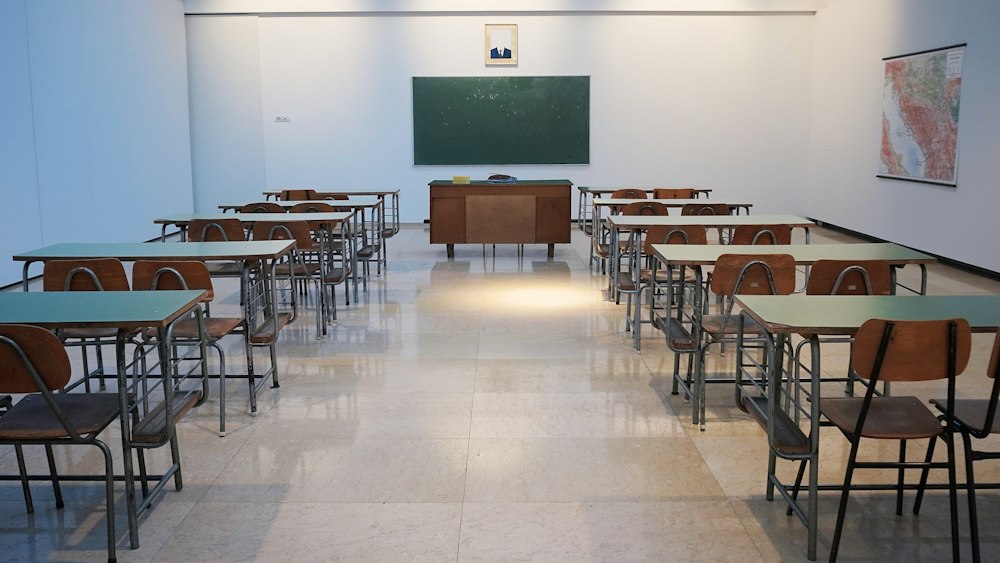
For girls who had been out of school for 1–3 years, the fear of falling behind was real and justified. We ran intensive two-month Bridge Learning Camps during summer 2022, held every morning at community centres, temples, and even under trees when space was short. Volunteer teachers from our network covered core subjects — Hindi, Maths, English and Science — to help girls regain their footing before formal re-enrollment.
Step 3: Economic Incentives for Families
We partnered with three local businesses and two CSR donors to create a small monthly stipend programme for families facing genuine economic hardship. Families who kept their daughters in school consistently received a monthly support of ₹500–800 — just enough to offset the loss of a daughter's labour contribution at home. This wasn't ideal, but it was pragmatic. And it worked.
Step 4: School Infrastructure Support
In collaboration with the local Gram Panchayat, we supported the construction of separate girls' toilet blocks in three schools where the absence of facilities was a documented barrier. We also donated sanitary pad dispensers and ran menstrual hygiene workshops in partnership with a Lucknow-based women's health NGO.
"We don't just re-enroll girls. We rebuild their belief that they belong in a classroom — that their dreams are possible, and that this community stands behind them."
— Vijay Tripathi, Founder, People & Nature Welfare SocietyThe Results: Two Years Later
By December 2024, the numbers told a very different story from that Tuesday morning in 2022. Of the 340 girls we had identified for intervention:
- 211 girls were re-enrolled in school and attending regularly (above 80% attendance)
- 43 girls had passed their Class 10 board exams with distinction after two years of combined coaching
- 12 girls had gone on to pursue polytechnic or ITI courses after completing Class 12
- 3 girls from our programme had been accepted to government colleges through scholarship programmes
- The overall girl dropout rate in our intervention villages had fallen from 40% to 11%

What We Learned
This programme taught us several lessons that will shape our work for years to come:
- Trust is built locally. The Education Ambassadors — women from the communities themselves — were our most powerful asset. No programme, however well-designed, can substitute for trusted local voices.
- Economic barriers must be addressed directly. It is not enough to tell families that education matters. When every rupee counts, theory has to be backed by practical support.
- Girls need to believe in themselves. The Bridge Camps were as much about rebuilding confidence as they were about academic catch-up. We saw girls arrive timid and leave transformed.
- Sustainability requires community ownership. Our most successful intervention villages are now running their own education committees, independent of PANWS. That is what success looks like.
What's Next
In 2025, we're expanding the ARISE programme to 8 more villages, with a target of supporting 500 additional girls. We're also launching a scholarship fund specifically for girls who complete Class 12 and want to pursue higher education but lack financial means.
None of this is possible without the generosity of our donors, the dedication of our volunteers, and the courage of the girls and families themselves. If this story moved you — if you believe, as we do, that every girl deserves a chance — we invite you to be part of the next chapter.
Donate to the ARISE Education Programme. Volunteer as a teacher. Spread this story. Every action counts.



This is an incredibly moving story. The ARISE programme sounds like exactly the kind of thoughtful, multi-pronged intervention that actually works. I volunteer with a literacy NGO in Varanasi and we face many of the same barriers. Thank you for sharing such detailed insights — we will definitely learn from your approach.
I cried reading this. My daughter benefited from the bridge camp in 2022. She is now in Class 10 and wants to become a doctor. Thank you, Priya Didi and the entire PANWS team. You changed our lives.
As a researcher studying education interventions in UP, I find the methodology you've described here to be genuinely innovative. The use of community ambassadors, economic incentives, and confidence-building in parallel is exactly what the research says works. Would love to connect for a case study documentation.
Leave a Comment